
Historical Background
Felix Mendelssohn’s Wedding March, first performed in 1842 as part of incidental music for Shakespeare’s A Midsummer Night’s Dream, quickly became a wedding favorite. Its bright brass fanfare and graceful harmony have made it a timeless ceremonial staple worldwide. It remains a choice for ceremonies today.!
Composition within “A Midsummer Night’s Dream”
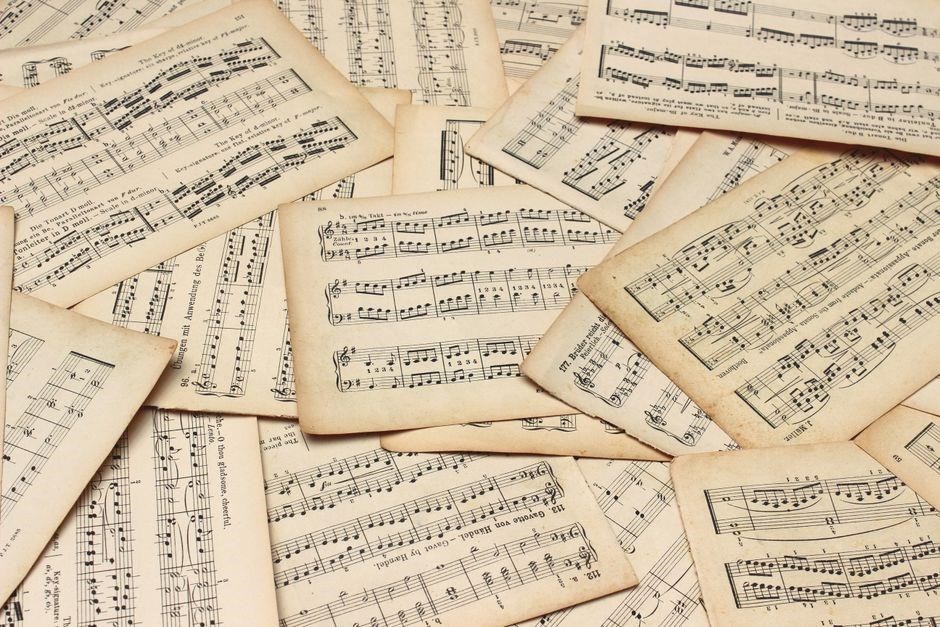
Felix Mendelssohn’s Wedding March was composed in 1842 as part of the incidental music for William Shakespeare’s A Midsummer Night’s Dream. The march opens the “Wedding” scene, where the fairy king Oberon and his court celebrate the union of Titania and Puck. The music is written for a large orchestra, featuring a bold brass fanfare that signals the joyous occasion, followed by lyrical strings and woodwinds that underscore the romantic atmosphere. The march’s rhythmic vitality and melodic clarity make it an ideal choice for ceremonial use, and its inclusion in the play’s score helped cement its popularity. The original manuscript, preserved in the Royal Library of Berlin, showcases Mendelssohn’s skill in blending dramatic narrative with musical form. The piece’s structure follows a simple ABA pattern, with a memorable opening theme, a contrasting middle section, and a triumphant return of the main motif. Its publication in 1843 by Breitkopf & Härtel made the march widely available to conductors and musicians, and it has since become a staple of wedding ceremonies worldwide. The composition’s enduring appeal lies in its ability to convey both grandeur and intimacy, reflecting the dual nature of the play’s fairy world and the human celebration it accompanies. Scholars note that the march’s rhythmic drive and harmonic simplicity reflect Mendelssohn’s Romantic ideals, while its melodic lines echo the pastoral scenes of Shakespeare’s play, making it a bridge between 19th‑century musical tradition and modern ceremonial practice for contemporary audiences!
Felix Mendelssohn’s Biography and Influence
Mendelssohn served as a music director in Berlin, introducing Beethoven’s Ninth Symphony to German audiences. His symphonic output, including the “Italian” and “Scottish” symphonies, displayed masterful orchestration. He was a pioneer in the piano concerto genre, balancing virtuosic demands with lyrical depth. Mendelssohn’s pedagogical influence is evident in his mentorship of young musicians, cultivating a culture of musical excellence that endured after his untimely death. Later composers such as Brahms admired his clarity of form, while Debussy cited his harmonic language as an inspiration. His legacy endures in continued performance of his works and Mendelssohn Scholarship, which supports emerging talent.

Original Source and Public Domain
Mendelssohn’s Wedding March first appeared in 1842 as part of incidental music for Shakespeare’s A Midsummer Night’s Dream. The manuscript is housed in the Berlin State Library. Since Mendelssohn died in 1847, the work is in the public domain, allowing PDF distribution!!.
First Publication and Manuscript Details
The Wedding March, originally titled ‘Kaiser‑Blick’, debuted in 1842 during the premiere of Mendelssohn’s incidental music for Shakespeare’s A Midsummer Night’s Dream in Berlin. The first published edition appeared in 1843 in the ‘Mendelssohn‑Bartholdy’ collection, printed by the German publisher C. F. Peters. This edition featured the full orchestral score, including the brass fanfare, woodwind accompaniment, and string harmonies that characterize the piece. The manuscript, preserved in the Staatsbibliothek zu Berlin, is a handwritten autograph in Mendelssohn’s own script, dated 1842. Scholars note that the manuscript contains subtle dynamic markings and articulation indications that differ slightly from the composer’s original intentions. The autograph manuscript is considered the primary source for modern editions and has been digitized for public access. Subsequent editions in the late 19th and early 20th centuries incorporated editorial changes, but most modern scores rely on the original 1843 publication as the authoritative reference. The piece’s publication history reflects its rapid adoption as a ceremonial staple, with early editions distributed across Europe and North America, establishing the Wedding March as a standard repertoire for weddings and state ceremonies worldwide. Today, the Wedding March remains a symbol of joy, performed by orchestras, ensembles, and soloists worldwide, and its enduring popularity is reflected in recordings, sheet‑music editions, and references across generations.!
Public Domain Status and Copyright Considerations
Mendelssohn’s Wedding March entered the public domain long before modern copyright regimes, as the composer died in 1847 and the work was first published in 1843. In most countries, the rule is that a musical composition becomes public domain 70 years after the author’s death, which places the original score well outside any active protection. Consequently, the core melody, harmony, and orchestration can be freely performed, reproduced, and distributed without licensing fees. However, the situation becomes more complex when we consider modern editions and arrangements. Critical editions produced in the late 20th and early 21st centuries often include editorial commentary, new dynamics, and performance notes that are themselves copyrighted. For example, the 2005 Henle edition contains a scholarly introduction that is protected, and the 2010 Bärenreiter edition adds a detailed performance guide. Musicians wishing to use these editions must therefore check the specific copyright status of the editorial material. Derivative works such as piano or guitar transcriptions created after 1970 are also subject to copyright, even though they are based on a public‑domain source. When downloading PDFs from online repositories, it is crucial to verify the license: many sites offer the score under a Creative Commons or CC0 license, but others require attribution or prohibit commercial use. In the United States, works published after 1923 are protected for 95 years from publication, so any edition released after that date is still under copyright. In summary, while the original Wedding March is free to use, specific editions, editorial additions, and modern arrangements may still be protected, and users should always confirm the license before reproducing or distributing the material.
PDF Sheet Music Availability
Free PDF downloads of Mendelssohn’s Wedding March are available on MuseScore.com, Free-scores.com, and MySheetMusic.com. These sites host scanned originals, modern editions, and transcriptions for piano, guitar, and strings. Users can preview, download, and print without cost. All files are to download and print.!!

MuseScore.com PDF Downloads and Features
MuseScore.com hosts a vast library of user‑generated scores, including the classic Wedding March by Felix Mendelssohn. The platform offers a straightforward PDF download button, allowing instant access to high‑resolution sheet music for piano, guitar, flute, and orchestral arrangements. Users can preview the score in a built‑in viewer, adjust zoom levels, and even export the file to PDF, MIDI or MusicXML formats. The community features a rating system, comments, and the option to request transcriptions or edits. Additionally, the site provides a “Print” function that automatically formats the score for standard A4 paper, ensuring clean margins and legible notation. For educators and performers, the downloadable PDFs are fully editable, enabling the addition of rehearsal marks or tempo indications directly within the score. The platform’s search filters allow users to locate the Wedding March by composer, title, or key, and the “Favorites” feature lets musicians save their preferred versions for quick future access. All files are free to download, and the site’s open‑source policy encourages collaboration and continuous improvement of the score’s accuracy and layout. Whether you need a simple piano solo or a full orchestral setting, MuseScore.com delivers reliable, high‑quality PDFs that are ready for printing or digital playback. The PDFs are also compatible with popular notation software such as Sibelius, Finale, and Dorico, allowing users to import the file and make further adjustments. The community often shares performance recordings linked to the score, providing a reference for interpretation. Moreover, the platform’s responsive design ensures that the PDF displays correctly on both desktop and mobile devices, making it convenient for rehearsals on the go.

Free‑scores.com and Other Free PDF Sources
Free‑scores.com hosts a dedicated collection of Mendelssohn’s Wedding March, offering a PDF download that is fully public‑domain compliant. The site’s interface presents the score in a clean, high‑resolution format, with options to view the original 19th‑century manuscript scans or a modern, cleaned‑up edition. Users can also access a MIDI playback, which is useful for rehearsal purposes. In addition to Free‑scores.com, several other free‑PDF repositories provide the Wedding March. The MySheetMusic.com archive supplies a PDF that includes the original orchestral score, while the MyFreeSheetMusic.com portal offers a piano‑solo edition that has been digitized from early 20th‑century prints. The MFiles.co.uk database hosts a version arranged by Jim Paterson, which is available as a PDF and includes a guitar transcription. For those seeking a more contemporary arrangement, the GigMusic.com site offers a string‑quartet PDF that is downloadable at no cost. All of these sources maintain the public‑domain status of Mendelssohn’s work, ensuring that users can print, distribute, and perform the piece without licensing concerns. Each PDF is provided in a standard PDF/A format, guaranteeing long‑term preservation and compatibility with most PDF readers. The sites also include metadata tags that identify the composer, title, and key, making it easier to search for the correct edition. By leveraging these free resources, musicians, educators, and event planners can access a wide range of arrangements—piano, guitar, orchestral, and string quartet—without incurring any fees or navigating complex copyright restrictions. The availability of these PDFs has made the Wedding March a staple in wedding ceremonies, music education, and community performances worldwide. They free online!!!
Arrangements and Instrumentation Options
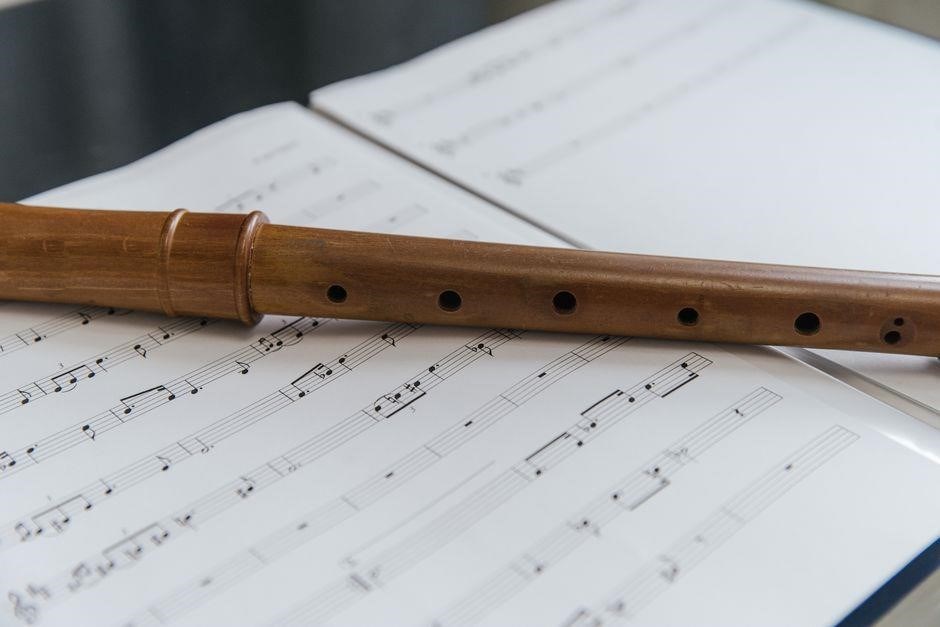
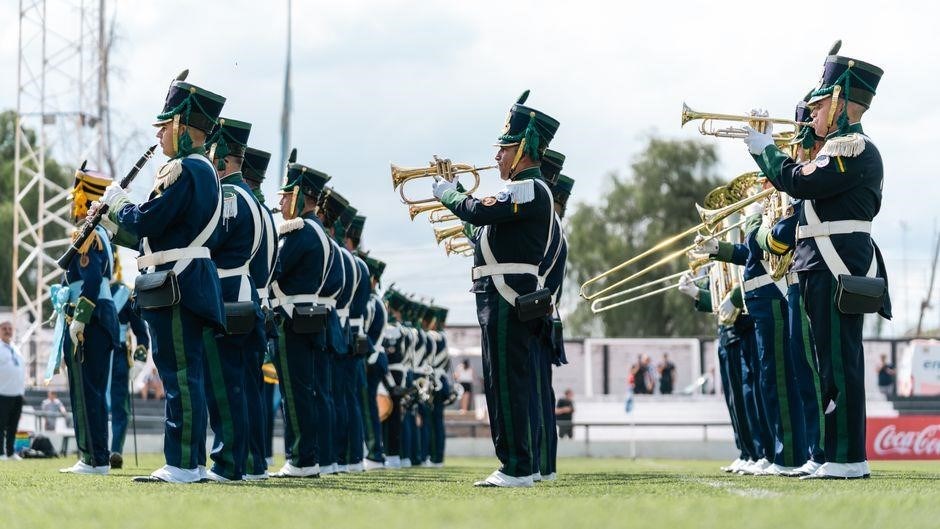
Mendelssohn’s Wedding March is available in multiple arrangements: a piano solo, and a lyrical guitar transcription, a string quartet version, and a setting for brass, woodwinds, and percussion. These options suit weddings, rehearsals, or classroom study.
Piano Solo and Guitar Transcriptions
For pianists, the Wedding March is offered as a straightforward solo arrangement on MuseScore.com, where users can download a clean PDF or MIDI file. The score features a bright, fanfare‑style opening in the right hand, with a supportive left‑hand ostinato that mirrors the original brass line. Guitarists can access a faithful transcription that adapts the melodic line to the fretboard while preserving the rhythmic drive. This version is available on Free‑scores.com, where the PDF is compiled from the original manuscript and includes finger‑position suggestions. Both arrangements are in the public domain, allowing free distribution and printing. The piano version is ideal for rehearsal or as a pre‑ceremony piece, while the guitar transcription offers a more intimate, portable option for couples who prefer a lighter sound. The availability of these arrangements ensures that the Wedding March can be tailored to fit a wide range of wedding settings, from grand halls to outdoor gardens, without compromising its classic elegance.
In addition, many musicians have created their own variations, such as adding a pedal point in the bass or altering chord voicings to suit modern instruments. The flexibility of these transcriptions makes the Wedding March a versatile choice for contemporary wedding ceremonies. These resources are freely available on the internet, allowing couples to preview the music before printing or rehearsal.
Couples can also request custom arrangements for specific instrumentations.
All PDFs are downloadable free now!!!
String Quartet and Classical Ensemble Versions
For those seeking a more orchestral feel, the Wedding March is arranged for string quartet with two violins, viola, and cello. The arrangement keeps the original brass fanfare by assigning the melody to the first violin while the others provide harmony. This version is on Free‑scores.com, where the PDF is compiled from the original manuscript and has clear bar‑by‑bar notation. The quartet offers a warm, intimate sound, ideal for small venues or rehearsals. Classical ensemble adaptations add woodwinds, brass, and percussion, expanding texture while preserving the march’s regal character. These ensemble scores are public domain, allowing free download and printing. Musicians find PDFs on MuseScore.com, where community members upload faithful transcriptions. Ensemble versions are used in weddings featuring a chamber group, giving a sophisticated backdrop without a full orchestra. Some arrangements add a subtle harp glissando or muted trumpet to enhance the ceremonial feel. Performance notes suggest a moderate tempo (Allegretto) and clear articulation of fanfare motifs to keep the celebratory character. Scores also include optional rehearsal marks for ensemble leaders, easing coordination. Community updates keep notation accurate and user‑friendly.
Practical Usage and Printing Tips
Print PDFs at 300‑dpi for crisp lines. Use a light‑weight paper to avoid bleed. For wedding ceremonies, fold scores into a booklet with a decorative cover. Ensure the first page shows the title and composer. Save a backup copy in PDF/A format for archival safety forall
Printing for Wedding Ceremonies
Printing the Wedding March for a ceremony requires careful attention to detail. First, choose a high‑resolution PDF (at least 300 dpi) to preserve the clarity of the staff lines and dynamics. Use a matte or semi‑gloss finish on 80‑120 gsm cardstock to prevent glare under stage lights. If the score will be handed out, fold the sheet into a simple booklet using a saddle‑stitch or perfect‑binding method; this keeps the pages aligned and protects the edges. For a more formal presentation, consider a spiral binding that allows the music to lie flat during performance. Include a title page with the composer’s name, the piece’s title, and the date of the ceremony for a polished look. When printing on a home or office printer, set the paper size to A4 and use the “fit to page” option to avoid cropping. If you have access to a professional printer, request a PDF/A conversion to ensure long‑term archival quality. Finally, test print a single copy before the event to verify that the notes are legible and that the layout matches the venue’s lighting conditions. If the ceremony includes a live orchestra, provide each musician with a high‑quality printed copy or a digital sheet on a tablet to reduce paper waste. Always keep a backup copy in a secure location, and consider adding a watermark with the event date to prevent unauthorized distribution. For digital use, export the final score as a PDF/A file to preserve fonts and layout across devices. If the venue has a large screen, provide a projected version of the score so everyone can follow along. Print on matte stock, for.
Software Requirements and File Quality Issues
When preparing a Mendelssohn Wedding March PDF for performance, the software choice and file integrity are crucial. A reliable PDF editor—Adobe Acrobat Pro, PDF‑XChange Editor, or the open‑source PDFsam Basic—can verify PDF/A‑1b compliance, ensuring fonts, colors, and layout remain intact. Musicians who wish to edit the score can use MuseScore or Sibelius, which export native PDFs while preserving engraving and allowing rehearsal marks. After finalizing, run a validator such as VeraPDF or Acrobat’s PDF/A‑validator to confirm that all fonts are subsetted and that no external links or annotations remain. File size also matters; a high‑resolution image‑based PDF can exceed 10 MB, causing delays in email delivery or slow loading on mobile devices. Compress the PDF with Ghostscript, setting image quality to 300 dpi for print and 150 dpi for on‑screen use, and enable the “Optimize for printing” preset to reduce size without losing clarity.
In addition, embed metadata that records the composer, arranger, and last modified date; this helps avoid confusion when multiple versions circulate. When exporting from MuseScore, enable “Include page numbers” and “Include rehearsal marks” to keep the score organized. If the PDF will be shared via cloud services, set the file to prevent edits. For ensembles, split the PDF into violin, cello, piano using a PDF splitter; this reduces file size and lets each musician download their part. Keep a backup on separate media, such as an external hard drive or cloud backup, loss. By rigorously validating the PDF and tailoring its properties to the intended use, performers and organizers can guarantee a flawless presentation of Mendelssohn’s Wedding March for all guests!!