Kenmore Elite Washer Instruction Manual: A Comprehensive Guide
This manual provides detailed guidance for operating and maintaining your Kenmore Elite washer, ensuring optimal performance and longevity. It decodes model and serial numbers for easy part ordering and service.
Understanding Your Kenmore Elite Washer

Your Kenmore Elite washer is a sophisticated appliance designed for efficient and reliable laundry care. Familiarizing yourself with its features and operation is key to maximizing its benefits. This section will introduce you to the core functionalities, including the SmartWash technology and QuietPak noise reduction system.
Proper usage extends the lifespan of your machine and ensures optimal cleaning results. Knowing how to correctly load the washer, select appropriate wash cycles, and interpret the control panel indicators are crucial steps. This manual serves as your comprehensive resource for unlocking the full potential of your Kenmore Elite washer.
Locating the Model Number
Finding your Kenmore Elite washer’s model number is essential for troubleshooting, ordering replacement parts, or scheduling service. This unique identifier unlocks access to specific information about your appliance. The location of this number varies, but it’s typically found on a sticker or plate affixed to the machine.
Knowing where to look saves time and frustration. This manual will guide you through the process of locating the model number, ensuring you have the correct information readily available when you need it. It’s a crucial first step in maintaining your Kenmore Elite washer effectively.

Where to Find the Model Number Sticker
For most Kenmore Elite washers, the model number sticker is located inside the washer’s cabinet. On front-loading models, check the area around the door opening – often on the door jamb or the frame. For top-loading machines, look inside the lid, typically on the back wall or along the side.
Carefully inspect these areas with a flashlight if needed. The sticker is usually white or silver and clearly displays the model number. Remember to have a pen and paper ready to record the number accurately for future reference when seeking assistance or parts.
Decoding the Serial Number
The Kenmore Elite washer serial number is a unique identifier providing valuable information about your appliance’s manufacturing date and origin. While not directly revealing the model, it aids in pinpointing specific production details. Decoding involves analyzing the alphanumeric sequence; algorithms utilize this data to identify the manufacturer and the appliance’s age.
This process helps determine compatibility when ordering replacement parts or understanding potential recall notices. Utilizing the serial number alongside the model number ensures accurate service and support, streamlining troubleshooting and maintenance efforts for your washing machine.
Using the Serial Number for Identification
The serial number serves as a crucial tool for definitively identifying your Kenmore Elite washer, especially when the model number is obscured or unavailable. It allows access to detailed manufacturing information, assisting in pinpointing the exact specifications of your appliance.
Online lookup tools and Kenmore support utilize the serial number to verify warranty status, locate compatible parts, and provide tailored troubleshooting advice. This unique identifier unlocks a wealth of information, ensuring you receive accurate assistance and maintain your washer’s optimal performance throughout its lifespan.
Essential Features of Kenmore Elite Washers
Kenmore Elite washers are renowned for their innovative features designed to deliver exceptional cleaning performance and convenience. Key among these is the SmartWash technology, dynamically adjusting wash settings based on load size and soil level for optimized results.
Furthermore, the QuietPak System significantly reduces noise and vibration, ensuring a peaceful laundry experience. These washers often include advanced cycles, steam options, and durable construction, making them a reliable and efficient choice for modern households seeking superior laundry care.
SmartWash Technology Explained
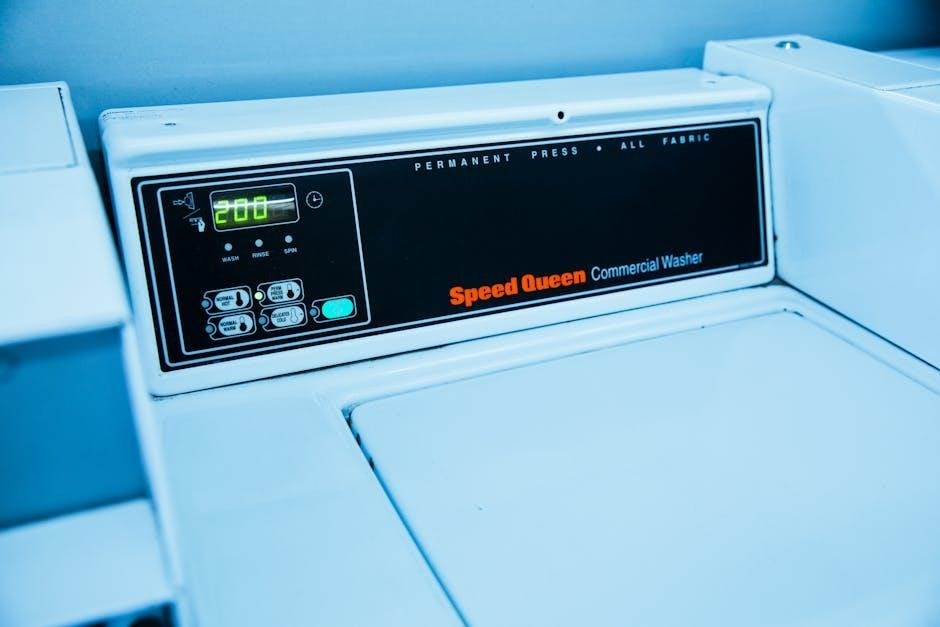
SmartWash technology represents a significant advancement in laundry care, automatically sensing soil levels and adjusting wash parameters accordingly. This intelligent system utilizes sensors to determine the amount of dirt and debris in each load, optimizing water usage, wash time, and agitation intensity.
By dynamically adapting to each laundry need, SmartWash ensures thorough cleaning while conserving resources and protecting fabrics. It eliminates the guesswork from laundry, delivering consistently excellent results with minimal user intervention, enhancing both convenience and efficiency.
QuietPak System: Noise Reduction
The Kenmore Elite QuietPak System is engineered to minimize operational noise, creating a more peaceful laundry experience. This innovative system incorporates several features, including advanced vibration dampening technology and a specially designed motor mount. These components work synergistically to absorb and reduce vibrations during all wash cycles.
Furthermore, the washer’s cabinet is constructed with sound-absorbing materials, further isolating the internal components and minimizing noise transmission. Enjoy powerful cleaning performance without disruptive sounds, thanks to the QuietPak System’s dedication to silent operation.
Operating Instructions
Before first use, ensure the washer is level and all shipping materials are removed. Properly loading the washer is crucial for optimal cleaning and preventing damage; Distribute items evenly within the drum, avoiding overloading. Select the appropriate wash cycle based on fabric type and soil level – consult the cycle guide for recommendations.
Add detergent and any desired additives to the dispenser drawers, following the manufacturer’s instructions. Press the start button to initiate the wash cycle. Always refer to the control panel overview for detailed cycle settings and options.
Loading the Washer Correctly
To maximize cleaning performance and protect your Kenmore Elite washer, proper loading is essential. Avoid overloading the drum, as this restricts movement and reduces cleaning effectiveness. Distribute items evenly to maintain balance and prevent excessive vibration during the spin cycle.
For best results, loosely place items into the washer; tightly packed clothes won’t clean effectively. Separate delicate items and bulky items like towels or bedding. Always check pockets for objects that could damage the washer or other clothes.
Selecting Wash Cycles
Your Kenmore Elite washer offers a variety of wash cycles to accommodate different fabric types and soil levels. The Normal/Regular cycle is ideal for everyday cotton and linen items. For delicate fabrics like lingerie or silk, choose the Delicates cycle for gentle cleaning.
Heavily soiled items benefit from the Heavy Duty cycle, while the Quick Wash cycle provides a faster cleaning option for lightly soiled loads. Explore specialized cycles like Sanitize or Steam Wash for enhanced cleaning power and allergen removal, consulting the full cycle guide for specifics.
Control Panel Overview
The Kenmore Elite washer’s control panel is designed for intuitive operation. It features a digital display providing cycle status and estimated time remaining. Control knobs allow for precise selection of wash cycles, water temperature, and spin speed. Dedicated buttons activate options like Delay Start or Extra Rinse.
Understanding the display indicators – such as cycle progress bars and error codes – is crucial for monitoring your wash. Familiarize yourself with the function of each button and knob to customize your wash settings effectively, ensuring optimal cleaning results for every load.
Understanding the Display Indicators
The Kenmore Elite washer’s display utilizes various indicators to communicate machine status. Cycle progress is shown via a bar graph, visually representing the current stage – wash, rinse, or spin. Error codes, displayed as alphanumeric sequences (like “LE” for leaking), signal specific issues requiring attention.
Indicators also show selected options like water temperature (hot, warm, cold) and spin speed (high, medium, low). A lock icon illuminates when the control panel is locked, preventing accidental changes. Recognizing these indicators allows for quick troubleshooting and informed operation.
Using the Control Knobs and Buttons
The Kenmore Elite washer features intuitive control knobs and buttons for cycle selection and customization. The cycle selector knob allows you to choose pre-programmed washes like Normal, Delicates, or Bulky/Sheets. Separate buttons modify settings – temperature, spin speed, soil level, and options like Steam or Sanitize.
Pressing the ‘Start/Pause’ button initiates or temporarily halts the cycle. Utilize the ‘Delay Start’ function to schedule washes for later. Familiarizing yourself with each control ensures you can tailor each wash to your specific laundry needs, maximizing cleaning performance.
Troubleshooting Common Issues
Encountering issues with your Kenmore Elite washer can be frustrating, but many problems have simple solutions. If the washer won’t start, check the power cord, circuit breaker, and ensure the door is securely latched. For leaking water, inspect the hoses, drain pump, and dispenser drawers for cracks or loose connections.
Unusual noises often indicate foreign objects in the drum or unbalanced loads. Refer to the full manual for detailed diagnostics and safety precautions before attempting any repairs. If issues persist, contact Kenmore support for assistance.
Washer Won’t Start
If your Kenmore Elite washer fails to start, begin with the simplest checks. Verify the power cord is firmly plugged into a working outlet and the circuit breaker hasn’t tripped. Ensure the washer door is completely closed and latched; a safety interlock prevents operation if it’s ajar.
Check if the start/pause button has been pressed correctly. If the issue continues, consult the full instruction manual for error codes displayed on the control panel, which can pinpoint the problem. Contact Kenmore support if these steps don’t resolve the issue.
Leaking Water
Discovering a leak from your Kenmore Elite washer requires immediate attention. First, inspect the water inlet hoses connected to the back of the machine, ensuring they are tightly secured and undamaged. Examine the drain hose for any cracks or loose connections.
Check the door boot (front-load washers) for tears or obstructions. If the leak persists, consult the instruction manual for specific troubleshooting steps related to your model. Contacting Kenmore support is recommended for complex leaks or if you’re unsure about the source.
Maintenance and Care
Regular maintenance extends the life of your Kenmore Elite washer and ensures optimal cleaning performance. Periodically clean the washer drum to prevent mildew and odor buildup; use a washer cleaner or a solution of hot water and vinegar.
The dispenser drawers should also be cleaned regularly to remove detergent and fabric softener residue. Wipe down the exterior of the washer with a damp cloth. Following these simple steps will keep your appliance functioning efficiently for years to come, avoiding costly repairs.
Cleaning the Washer Drum
To effectively clean the drum, run an empty hot water cycle with a washer cleaner specifically designed for front or top-load machines. Alternatively, use two cups of white vinegar added directly to the drum.
This process helps eliminate mildew, detergent buildup, and unpleasant odors. For stubborn residue, consider repeating the cycle. Regularly cleaning the drum – ideally monthly – prevents long-term issues and maintains optimal washing performance, ensuring your clothes remain fresh and clean.
Cleaning the Dispenser Drawers
Remove the dispenser drawers by pressing the release tab, typically located on the front panel. Wash them thoroughly with warm, soapy water to remove any accumulated detergent or fabric softener residue. A small brush can help reach tight corners and prevent clogging.
Rinse completely and allow to dry before reinserting. Regularly cleaning the dispenser – every few months – ensures proper dispensing and prevents buildup that can affect wash performance. This simple maintenance step extends the life of your Kenmore Elite washer.
Ordering Parts and Scheduling Service
Having your Kenmore Elite washer’s model number is crucial when ordering replacement parts. You can find parts through the Kenmore website or authorized retailers, ensuring compatibility. When scheduling service, provide the model number to the Kenmore support team for accurate assistance.
Kenmore offers various support options, including online chat and phone support. Utilizing the model number streamlines the process, allowing technicians to diagnose issues efficiently and order the correct components. This ensures a swift and effective repair, minimizing downtime for your appliance.
Using the Model Number for Parts
The Kenmore Elite washer model number is essential for identifying the correct replacement parts. When searching online or contacting retailers, inputting this number guarantees you receive components specifically designed for your machine. Incorrect parts can cause malfunctions or further damage, so accuracy is paramount.
Kenmore’s online parts finder utilizes the model number to filter compatible options. Always double-check the part number against your washer’s specifications before finalizing your purchase. This proactive step saves time and ensures a successful repair, restoring your washer to optimal functionality.
Contacting Kenmore Support
For assistance beyond this manual, Kenmore offers multiple support channels. You can reach their customer service team via phone for immediate troubleshooting or to schedule a service appointment. Online resources, including FAQs and live chat, provide quick answers to common questions.
Having your Kenmore Elite washer’s model number readily available expedites the support process. Kenmore’s website features a dedicated support section where you can input your model to access specific documentation and assistance tailored to your appliance. Prompt and accurate support ensures a swift resolution to any issues.
Safety Precautions
Prioritize safety when operating your Kenmore Elite washer. Always disconnect the power supply before performing any maintenance or repairs to avoid electrical shock. Keep children and pets away from the washer during operation, as components can become hot or pose entanglement risks.
Never attempt to repair the appliance yourself if you are not qualified; contact a certified technician. Ensure proper ventilation and avoid placing flammable materials near the washer. Adhering to these guidelines will help prevent accidents and ensure safe, reliable operation of your Kenmore Elite washing machine.
General Safety Guidelines
To ensure safe operation, always read and understand all instructions before using your Kenmore Elite washer. Do not operate the machine if it’s damaged or malfunctioning. Never overload the washer, as this can cause damage and potential hazards. Keep the area around the washer clear of obstructions and flammable materials.
Avoid contact with water while handling electrical components. Regularly inspect the power cord for damage and replace if necessary. Supervise children when they are near the appliance. Following these guidelines promotes a safe laundry experience with your Kenmore Elite washer.
Electrical Safety
Prioritize electrical safety when operating your Kenmore Elite washer. Always ensure the washer is properly grounded to prevent shock hazards. Never use extension cords or adapters; plug directly into a dedicated, appropriately rated outlet. Do not operate the washer with wet hands or in a damp environment.
If the power cord is damaged, it must be replaced by a qualified technician. Disconnect the washer from the power supply before performing any maintenance or repairs. Ignoring these precautions could result in serious injury or damage to the appliance.
Understanding Wash Cycle Options
Your Kenmore Elite washer offers a variety of cycles tailored to different fabric types and soil levels. The Normal/Regular cycle is ideal for everyday cotton and linen items with moderate soiling. For delicate fabrics like lingerie and silk, select the Delicates cycle, which uses a gentler wash action and cooler water temperatures.
Other options include Heavy Duty for heavily soiled items, Bulky Items for bedding, and Quick Wash for lightly soiled loads needing a fast refresh. Understanding these cycles ensures optimal cleaning and fabric care.
Normal/Regular Cycle
The Normal/Regular cycle is your go-to setting for everyday laundry needs. Designed for cotton and linen items with moderate soil levels, it provides a thorough yet gentle clean. This cycle utilizes a combination of warm water, robust wash action, and a standard spin speed to effectively remove dirt and stains.
It’s perfect for items like t-shirts, jeans, and everyday clothing. Adjust the water temperature and spin speed options within this cycle to customize it for specific load requirements, ensuring optimal cleaning results and fabric care.
Delicates Cycle
The Delicates cycle is specifically engineered for handling fragile fabrics that require extra care. This setting employs cool water, a gentle wash action, and a reduced spin speed to minimize stretching, snagging, and damage. Ideal for lingerie, silk, lace, and other delicate items, it ensures a thorough clean without compromising fabric integrity.
Always consider using a mesh laundry bag for added protection. Adjusting water temperature to cold is highly recommended. This cycle prioritizes preservation, extending the life of your most cherished and delicate garments.
Advanced Features
Kenmore Elite washers boast innovative technologies designed to elevate your laundry experience. The Steam Wash functionality penetrates fabrics deeply, loosening stains and reducing wrinkles – perfect for heavily soiled items or those needing refreshing. Furthermore, the Sanitize Cycle utilizes higher water temperatures to eliminate bacteria and allergens, providing a hygienic clean for bedding, baby clothes, and more.
These features offer enhanced cleaning power and peace of mind, catering to specific needs beyond standard wash cycles. Explore these options to optimize your laundry routine and achieve exceptional results.
Steam Wash Functionality
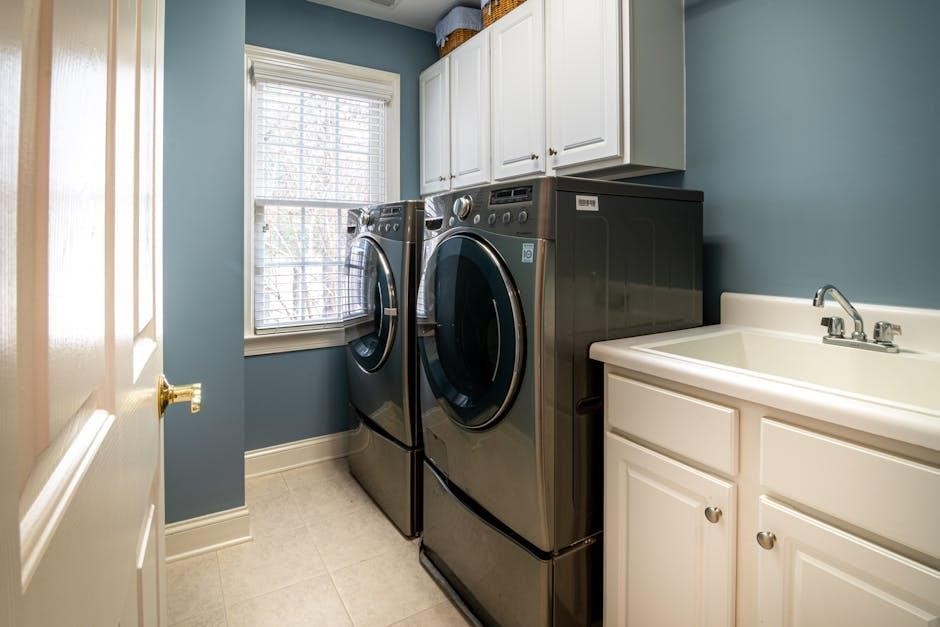
The Steam Wash feature on your Kenmore Elite washer utilizes the power of steam to deeply penetrate fabrics, effectively loosening dirt and stubborn stains. This process requires less detergent and provides a gentler clean compared to traditional hot water washes. Steam also helps to reduce wrinkles, saving you time on ironing.
Ideal for heavily soiled items, delicate fabrics, or simply refreshing clothes, Steam Wash offers a superior cleaning experience. Select the appropriate steam setting based on your laundry needs for optimal results and fabric care.
Sanitize Cycle Details
The Sanitize cycle on your Kenmore Elite washer is designed to eliminate 99.9% of common household bacteria, providing a deep and hygienic clean. This cycle utilizes elevated water temperatures and a prolonged wash time to achieve optimal sanitation. It’s perfect for items like baby clothes, bedding, and heavily soiled laundry where thorough disinfection is crucial.
Always check garment care labels before using the Sanitize cycle, as high temperatures may not be suitable for all fabrics. Avoid using bleach simultaneously with the Sanitize cycle for best results and to prevent potential damage.
Kenmore Elite Washer Dimensions and Specifications
Kenmore Elite washers vary in dimensions depending on the specific model and whether it’s a top-load or front-load design. Typical front-load models measure approximately 39-40 inches in height, 27-29 inches in width, and 30-32 inches in depth. Top-load models generally have similar widths and depths but may be slightly shorter in height.
Capacity ranges from 4.3 to 5.5 cubic feet, accommodating various laundry loads. Voltage requirements are standard 120V, and water consumption varies based on cycle selection. Refer to your specific model’s documentation for precise measurements and power specifications.